
Step into the realm of room designers, where creativity knows no bounds and innovation reigns supreme. From transforming ordinary spaces into extraordinary havens to mastering the art of visual storytelling, room designers are the architects of ambiance and style. This article delves deep into the captivating world of room design, exploring its intricacies and offering a glimpse into the magic of creating stunning interiors.
Understanding Room Designers
A room designer is a professional who specializes in creating functional and aesthetically pleasing interior spaces. They work closely with clients to understand their needs, preferences, and budget constraints to transform a space into a beautiful and practical area.
Skills and Qualifications
Room designers need to have a strong foundation in design principles, color theory, and space planning. They should also possess excellent communication skills to effectively collaborate with clients and other professionals in the industry. A formal education in interior design or a related field is typically required, along with a keen eye for detail and the ability to stay up-to-date with the latest trends and technologies in the industry.
Importance of Creativity
Creativity plays a crucial role in room design as it allows designers to think outside the box and come up with innovative solutions to design challenges. Creative thinking helps room designers to create unique and personalized spaces that reflect the individuality and preferences of their clients.
Workflow of a Room Designer
The typical workflow of a room designer involves several stages, starting with an initial consultation with the client to discuss their needs and vision for the space. This is followed by concept development, where the designer creates mood boards, sketches, and 3D renderings to visualize the design.
Once the concept is approved, the designer moves on to the implementation phase, which includes sourcing materials, furniture, and accessories, as well as overseeing the construction and installation process. The final stage is the finishing touches, where the designer adds decorative elements and ensures that the space meets the client's expectations.
Elements of Room Design
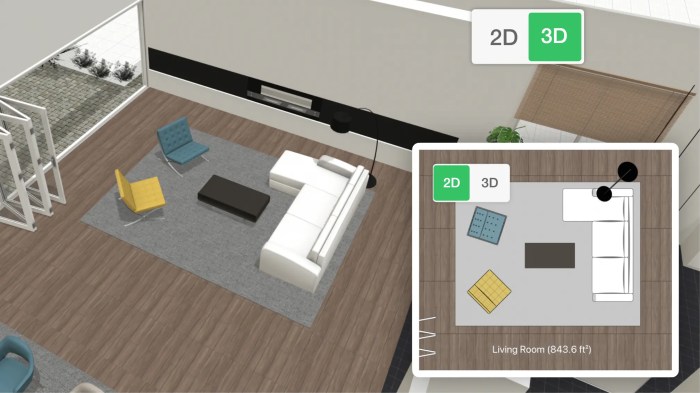
When designing a room, several key elements need to be considered to create a harmonious and visually appealing space. From layout to color scheme, furniture selection to textures and patterns, each element plays a vital role in achieving a cohesive design scheme.
Layout
The layout of a room is crucial as it determines the flow and functionality of the space. Consider the placement of furniture, the circulation paths, and the focal points within the room to ensure a balanced and well-organized layout.
Color Scheme
Color scheme sets the tone of the room and affects the overall mood and ambiance. Choose colors that complement each other and reflect the desired atmosphere. Warm colors like reds and yellows create a cozy feel, while cool colors like blues and greens evoke a sense of calmness.
Lighting
Lighting is essential in room design as it can enhance the space and highlight key features. Natural light is ideal, but artificial lighting sources like overhead lights, lamps, and sconces can also be used to create the desired ambiance and provide functionality.
Furniture Selection
The selection of furniture is a vital aspect of room design as it not only serves a functional purpose but also contributes to the overall aesthetic. Choose furniture that fits the scale of the room, complements the style, and provides comfort and functionality.
Textures and Patterns
Textures and patterns add depth and visual interest to a room. Mixing different textures like smooth surfaces, rough fabrics, and glossy finishes can create a dynamic and inviting space. Similarly, incorporating patterns like stripes, florals, or geometric designs can add personality and character to the room.
Cohesive Design Scheme
To create a cohesive design scheme in a room, it's essential to tie all elements together harmoniously. Use a consistent color palette, repeat patterns or textures throughout the space, and ensure that furniture pieces complement each other in style and scale.
By creating a cohesive design scheme, you can achieve a unified and visually pleasing room that reflects your personal style and preferences.
Room Design Styles
When it comes to room design, there are various styles that cater to different tastes and preferences. From modern and minimalist to traditional and bohemian, each style brings its own unique aesthetic and functionality to a space. Understanding these styles can help you create a cohesive and visually appealing design.
Exploring Popular Room Design Styles
Let's take a closer look at some of the popular room design styles and how they differ in terms of aesthetics and functionality:
- Modern:Characterized by clean lines, minimalism, and a focus on function over form.
- Minimalist:Emphasizes simplicity, neutral colors, and a clutter-free environment.
- Traditional:Features classic furniture, rich colors, and ornate details for a timeless look.
- Bohemian:Expresses a free-spirited and eclectic vibe with vibrant colors, patterns, and global influences.
Incorporating Elements from Different Styles
Creating a unique design often involves blending elements from various styles. Mixing modern furniture with bohemian accents or traditional pieces with minimalist decor can result in a visually interesting and personalized space. Experimenting with textures, colors, and patterns can help you achieve a harmonious balance between different styles.
Tips for Determining the Right Design Style
When deciding on a design style for a specific room or client, consider factors such as personal preferences, lifestyle, and the function of the space. Look for inspiration in magazines, online platforms, or by visiting furniture stores to get a sense of what resonates with you or your client.
Don't be afraid to mix and match styles to create a design that feels authentic and reflects the individuality of the space.
Tools and Technologies for Room Designers
In the field of room design, professionals utilize a variety of software and tools to plan, visualize, and execute their design projects efficiently.
Software and Tools
- Computer-Aided Design (CAD) Software: Room designers often use CAD software such as AutoCAD or SketchUp to create detailed floor plans, layouts, and 3D models of spaces.
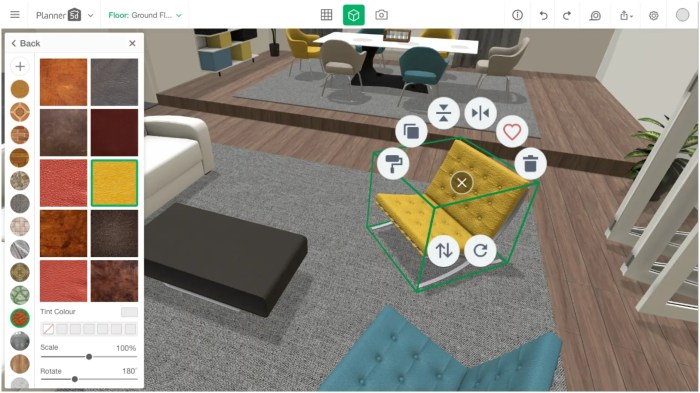
- Rendering Software: Programs like V-Ray or Lumion are commonly used for creating realistic renderings of room designs, allowing designers to showcase their concepts to clients effectively.
- Virtual Reality (VR) and Augmented Reality (AR) Tools: VR and AR technologies enable designers to immerse themselves and their clients in a virtual representation of the room design, providing a more interactive and realistic experience.
- Palette and Color Selection Tools: Online platforms like Adobe Color CC or Pantone Studio help designers choose color schemes and palettes for their projects.
Role of Virtual Reality and Augmented Reality
Virtual Reality and Augmented Reality play a significant role in room design by allowing designers to create immersive experiences for clients. VR technology enables users to visualize and navigate through a space before it is built, while AR overlays virtual elements onto the real environment, aiding in the decision-making process.
3D Modeling and Rendering Software
3D modeling and rendering software enhance the design process by providing designers with the tools to create lifelike representations of their concepts. These tools help in communicating ideas effectively, identifying design flaws, and making necessary adjustments before implementation.
Benefits of Using Technology in Room Design Projects
- Efficiency: Technology streamlines the design process, saving time and resources for designers.
- Visualization: Tools like VR, AR, and rendering software enable clients to visualize the final design accurately.
- Collaboration: Technology facilitates collaboration between designers, clients, and other stakeholders, ensuring smooth project execution.
- Precision: CAD software and 3D modeling tools ensure precision in measurements and design elements, reducing errors during implementation.
Epilogue
As we conclude our exploration of room designers, we are left in awe of the transformative power they hold. From conceptualization to realization, these visionaries shape the way we experience spaces, infusing them with personality and charm. Let their passion for design inspire you to reimagine your surroundings and embark on your own creative journey.
Answers to Common Questions
What is the role of a room designer?
A room designer is responsible for conceptualizing and executing interior design projects, creating functional and aesthetically pleasing spaces.
What skills and qualifications are needed to become a successful room designer?
Successful room designers possess a blend of creativity, technical expertise, and a strong eye for detail. Formal education in interior design or related fields is often required.
How does furniture selection impact room design?
Furniture selection plays a crucial role in room design, influencing the layout, functionality, and overall aesthetic of a space.
Why are textures and patterns important in room design?
Textures and patterns add depth and visual interest to a room, enhancing its overall design scheme and creating a dynamic environment.
What software and tools are commonly used by room designers?
Room designers often use software such as AutoCAD, SketchUp, and Adobe Photoshop for planning and visualizing designs.