

Frank Lloyd Wright, a pioneering figure in architecture, left an indelible mark on the industry with his innovative designs and visionary approach. Dive into the world of this iconic architect as we uncover the brilliance behind his creations.
As we delve deeper into his life and work, you'll discover the essence of his architectural style and the lasting impact he has had on modern architecture.
Background of Frank Lloyd Wright
Frank Lloyd Wright was an American architect born in 1867 in Wisconsin. He is widely considered one of the greatest architects of the 20th century. Wright's career spanned over 70 years, during which he designed more than 1,000 structures, including homes, offices, churches, schools, and museums.Wright's architectural style, known as "organic architecture," was characterized by his belief in designing structures that were in harmony with humanity and the environment.
He believed that buildings should be a natural extension of the landscape and the people who inhabited them. Wright's designs often incorporated natural materials, open floor plans, and a seamless integration of indoor and outdoor spaces.
Architectural Style and Significance
- Wright's architectural style emphasized simplicity, functionality, and harmony with nature.
- His innovative use of materials and construction techniques set him apart from his contemporaries.
- Wright's influence can be seen in modern architecture, with many architects citing him as a major inspiration.
Famous Works and Impact
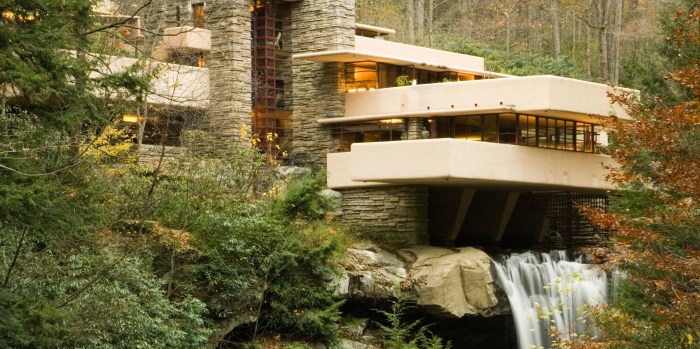
- Fallingwater:Located in Pennsylvania, Fallingwater is one of Wright's most famous works, known for its dramatic cantilevered design that hovers over a waterfall.
- Guggenheim Museum:The Solomon R. Guggenheim Museum in New York City is another iconic work by Wright, featuring a unique spiral design that revolutionized museum architecture.
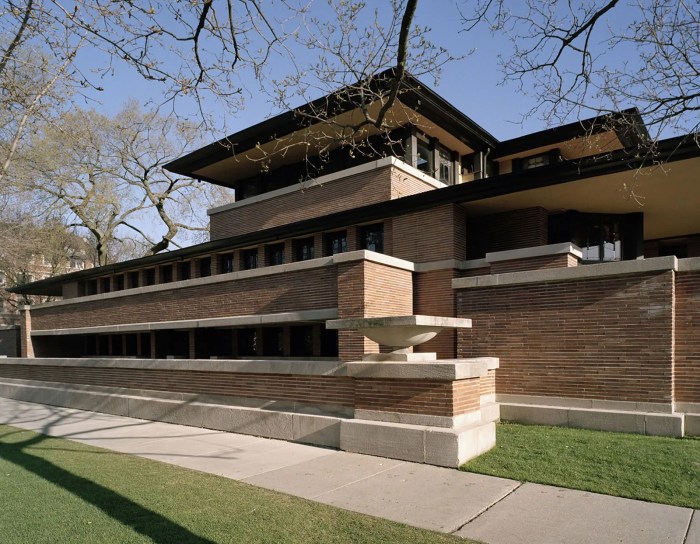
- Robie House:Situated in Chicago, the Robie House is a prime example of Wright's Prairie School style, characterized by horizontal lines and overhanging eaves.
Architectural Innovations by Frank Lloyd Wright
Frank Lloyd Wright was a pioneering architect known for his innovative approach to design and construction. He revolutionized the field of architecture with his unique ideas and concepts that continue to influence architects and designers to this day.
Organic Architecture and Integration with Nature
Frank Lloyd Wright believed in creating buildings that harmonized with their natural surroundings. He pioneered the concept of organic architecture, which emphasizes the integration of buildings with the environment. His designs often featured open floor plans, large windows, and natural materials to blur the lines between indoor and outdoor spaces.
Wright's iconic Fallingwater house, built over a waterfall in Pennsylvania, is a prime example of his commitment to integrating architecture with nature.
Unique Design Elements
Wright's architectural style was characterized by several unique design elements that set him apart from his contemporaries. He favored open floor plans that allowed for a sense of flow and continuity throughout a space. Horizontal lines were a signature feature of his designs, which helped to create a sense of horizontality and connection to the landscape.
Additionally, Wright often incorporated geometric shapes inspired by nature, such as circles, triangles, and hexagons, into his buildings to add visual interest and complexity.
Contributions to Sustainable Architecture
In addition to his focus on integrating architecture with nature, Frank Lloyd Wright was also a pioneer in sustainable design practices. He believed in creating buildings that were not only aesthetically pleasing but also environmentally friendly and energy-efficient. Wright's use of natural materials, passive heating and cooling techniques, and innovative construction methods helped to reduce the environmental impact of his buildings.
His forward-thinking approach to sustainability laid the foundation for modern green building practices and continues to inspire architects to prioritize energy efficiency and sustainability in their designs.
Influence on Modern Architecture
Frank Lloyd Wright's innovative architectural designs have had a profound impact on modern architecture, shaping the way buildings are conceptualized and constructed even today.
Architectural Style Comparison
When comparing Frank Lloyd Wright's style with other prominent architects of his time, such as Le Corbusier and Ludwig Mies van der Rohe, it becomes evident that Wright's emphasis on organic architecture and integration with nature set him apart. While Le Corbusier focused on functionalism and geometric forms, and Mies van der Rohe emphasized minimalism and the use of steel and glass, Wright's designs were characterized by his belief in harmonizing architecture with its natural surroundings.
Lasting Legacy of Architectural Principles
Frank Lloyd Wright's architectural principles, including his use of open floor plans, integration of indoor and outdoor spaces, and emphasis on organic forms, continue to influence contemporary architects. His innovative ideas have been adapted and reinterpreted in today's buildings, showcasing the enduring legacy of his design philosophy.
Personal Life and Legacy

Frank Lloyd Wright's personal life greatly influenced his work as an architect. His tumultuous relationships, including multiple marriages and divorces, influenced the organic and flowing designs he became known for. Additionally, his upbringing in the Midwest and exposure to nature played a significant role in shaping his architectural style.
Taliesin Fellowship
The Taliesin Fellowship, founded by Frank Lloyd Wright, was an architectural school that focused on hands-on learning and experimentation. It emphasized a connection to nature and the integration of architecture with the surrounding environment. Many future architects were influenced by the teachings of the Taliesin Fellowship, adopting Wright's principles of organic architecture and innovative design.
Legacy in Architecture
Frank Lloyd Wright's legacy continues to inspire and shape the architecture industry to this day. His innovative use of materials, open floor plans, and integration of nature into design have had a lasting impact on modern architecture. Architects around the world still look to Wright's work for inspiration, showcasing his enduring influence on the field.
Wrap-Up
In conclusion, Frank Lloyd Wright's legacy continues to shape the architectural landscape, inspiring generations of architects and enthusiasts alike. His groundbreaking ideas and timeless designs are a testament to his enduring influence in the field of architecture.
Common Queries
What influenced Frank Lloyd Wright's architectural style?
Wright's love for nature and his belief in organic architecture heavily influenced his unique design approach.
How did Frank Lloyd Wright impact sustainable architecture?
Wright's focus on integrating buildings with the natural environment paved the way for sustainable architecture and energy-efficient designs.
What is the Taliesin Fellowship and its significance?
The Taliesin Fellowship, founded by Wright, was a community of architects and students dedicated to preserving and promoting his architectural principles.