

Embarking on the journey of asbestos siding replacement, this guide offers a detailed exploration of the process, highlighting key aspects that are crucial for a successful outcome.
From understanding the health risks to identifying asbestos siding correctly, this guide covers everything you need to know to make informed decisions.
Importance of Asbestos Siding Replacement
Asbestos siding poses a significant health risk to individuals exposed to it. Asbestos fibers, when inhaled, can cause serious respiratory issues such as lung cancer, mesothelioma, and asbestosis. The health hazards associated with asbestos siding make it crucial to replace and remove it from buildings to protect the occupants from these life-threatening conditions.Moreover, the environmental impact of asbestos siding cannot be overlooked.
Asbestos is a harmful substance that can contaminate soil and water sources if not properly disposed of. It can also pose a risk to wildlife and ecosystems. By replacing asbestos siding with safer alternatives, we can prevent further environmental contamination and contribute to a healthier and cleaner environment.The necessity of replacing asbestos siding is clearit is essential to prioritize the safety and well-being of individuals living or working in buildings that contain asbestos siding.
By taking proactive measures to remove and replace asbestos siding, we can create a safer and healthier living environment for everyone involved.
Identification of Asbestos Siding
When it comes to identifying asbestos siding, it is crucial to be able to recognize the visual cues that indicate the presence of asbestos. Failing to correctly identify asbestos siding can pose serious health risks and lead to costly removal procedures if not addressed promptly.
Visual Cues for Recognizing Asbestos Siding
- Asbestos siding is typically made of a cement-like material that may appear weathered and brittle over time.
- Asbestos siding often has a distinctive corrugated pattern or a shingled texture.
- Color variations in asbestos siding can range from grey to brown or even a greenish hue.
- When inspecting older homes, asbestos siding may be found in conjunction with other asbestos-containing materials like insulation or roofing tiles.
Risks of Not Identifying Asbestos Siding Correctly
- Exposure to asbestos fibers can lead to serious health conditions such as lung cancer, mesothelioma, and asbestosis.
- Incorrectly identifying asbestos siding may result in mishandling during renovations or repairs, releasing harmful fibers into the air.
- Failure to address asbestos siding can lead to contamination of the surrounding environment and pose a risk to occupants of the property.
Asbestos Siding Removal Process
When it comes to safely removing asbestos siding, there are specific steps that need to be followed to ensure the safety of everyone involved.
Importance of Hiring Professionals for Asbestos Siding Removal
Removing asbestos siding is a hazardous task that requires specialized knowledge and equipment. Hiring professionals for asbestos siding removal is crucial to ensure the process is done safely and effectively.
Attempting to remove asbestos siding on your own can lead to serious health risks due to asbestos exposure.
Disposal Regulations for Asbestos-Containing Materials
Disposing of asbestos-containing materials must be done in accordance with strict regulations to prevent environmental contamination and health hazards.
- Asbestos-containing materials must be carefully packaged and labeled as hazardous waste.
- Dispose of asbestos waste at designated facilities that are equipped to handle hazardous materials.
- Follow local, state, and federal regulations regarding the disposal of asbestos-containing materials.
Replacing Asbestos Siding with Safer Alternatives
When it comes to replacing asbestos siding, there are several safer alternatives available in the market. These alternatives offer a combination of safety, durability, and aesthetic appeal, making them a popular choice for homeowners looking to upgrade their siding.
List of Alternative Siding Materials
- Fiber Cement Siding: Made from a mixture of wood fiber, cement, and sand, fiber cement siding is a popular choice due to its durability and resistance to fire, rot, and pests.
- Vinyl Siding: Vinyl siding is a cost-effective option that is known for its low maintenance requirements and versatility in terms of colors and styles.
- Wood Siding: Wood siding offers a classic and natural look to homes, but it requires more maintenance compared to other materials to prevent rot and insect damage.
Cost-Effectiveness of Different Replacement Options
When considering the cost-effectiveness of alternative siding materials, it is important to factor in the initial cost of installation, long-term maintenance expenses, and the lifespan of the siding. While fiber cement siding may have a higher upfront cost, its durability and low maintenance requirements can result in long-term cost savings.
On the other hand, vinyl siding is more affordable initially but may require more frequent replacements due to its lower durability.
Durability and Maintenance Aspects of Alternative Siding Materials
Each alternative siding material comes with its own set of characteristics when it comes to durability and maintenance. Fiber cement siding is known for its exceptional durability and resistance to harsh weather conditions, making it a long-lasting option for homeowners.
Vinyl siding, while low maintenance, may be prone to cracking and fading over time. Wood siding, on the other hand, requires regular maintenance such as painting or staining to prevent rot and decay.
Hiring a Contractor for Asbestos Siding Replacement
When it comes to asbestos siding replacement, hiring a reputable contractor is crucial to ensure the safety and quality of the project. Here are some tips on selecting the right contractor for the job.
Checking Licenses and Certifications
Before hiring a contractor for asbestos siding replacement, it is important to check their licenses and certifications. Make sure they are properly licensed to handle asbestos removal and disposal. Certifications from relevant authorities can also indicate their expertise in dealing with asbestos materials.
Getting Multiple Quotes
It is advisable to get multiple quotes from different contractors before making a decision. This allows you to compare prices, services offered, and timelines for the project. Be wary of contractors who provide significantly lower quotes as they may compromise on quality or safety measures.
Summary
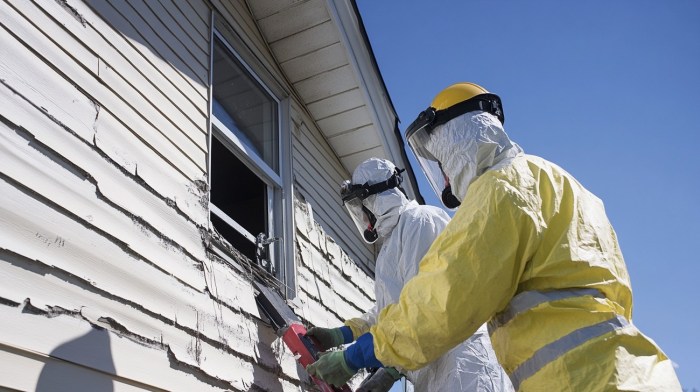
In conclusion, replacing asbestos siding is not just about aesthetics but also about safeguarding your health and the environment. By following the guidelines presented here, you can ensure a safe and effective replacement process for your property.
Quick FAQs
How can asbestos siding impact my health?
Asbestos siding can release harmful fibers when disturbed, which, if inhaled, can lead to serious health issues like lung cancer and mesothelioma. It's crucial to replace it to avoid these risks.
What are the alternative materials for replacing asbestos siding?
Popular alternatives include fiber cement, vinyl, and wood siding. Each has its own benefits in terms of cost, durability, and maintenance requirements.
Why is it important to hire professionals for asbestos siding removal?
Professionals have the expertise and equipment to safely remove asbestos siding without causing contamination. DIY removal can be extremely hazardous to your health.