
Exploring the realm of interior renovation, this introduction delves into the transformative power it holds in revitalizing living spaces. From increasing property value to enhancing overall well-being, the journey of interior renovation is filled with endless possibilities.
As we navigate through the various aspects of interior renovation, we uncover the key factors that shape successful projects and create spaces that inspire and elevate everyday living.
Importance of Interior Renovation
Interior renovation plays a crucial role in enhancing living spaces, providing a fresh and updated look to homes, offices, or any other interior environment. By updating the design, layout, and functionality of a space, interior renovation can significantly improve the overall quality of life for occupants.
Increasing Property Value
Interior renovation can also lead to a substantial increase in property value. By modernizing the interior, adding new features, and improving the overall aesthetic appeal, a renovated space becomes more attractive to potential buyers or renters. This can result in a higher resale or rental value for the property, providing a return on investment for the renovation costs.
Impact on Well-being and Comfort
The impact of interior renovation on overall well-being and comfort cannot be understated. A well-designed and renovated interior can create a more functional and comfortable living environment, promoting a sense of peace and relaxation. By maximizing natural light, optimizing space utilization, and incorporating elements that reflect personal style and preferences, interior renovation can significantly enhance the quality of life for occupants.
Planning for Interior Renovation
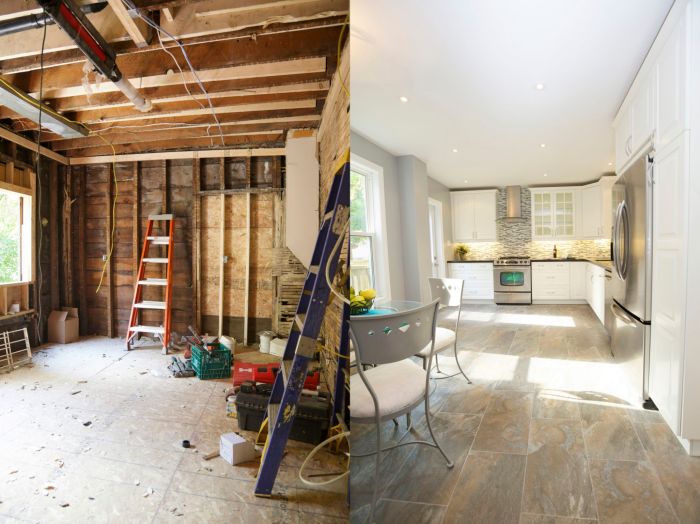
When embarking on an interior renovation project, the initial planning stages are crucial to ensure a smooth and successful process. From setting a budget to creating a timeline, each step plays a vital role in achieving the desired outcome.
Setting a Budget
Before diving into any renovation project, it is essential to establish a realistic budget. Consider factors such as the scope of work, materials needed, labor costs, and any unexpected expenses that may arise. Research the average costs of similar projects to get a better idea of what to expect.
Tip: Allocate a contingency fund of about 10-20% of your total budget to account for any unforeseen costs.
Creating a Timeline
Developing a timeline for your renovation project is key to keeping the process on track and ensuring timely completion. Start by outlining each phase of the project, from design and planning to construction and finishing touches. Be realistic about the time needed for each step and factor in any potential delays.
Tip: Consult with contractors and suppliers to establish a realistic timeline that considers their availability and the order of tasks.
Design Trends in Interior Renovation
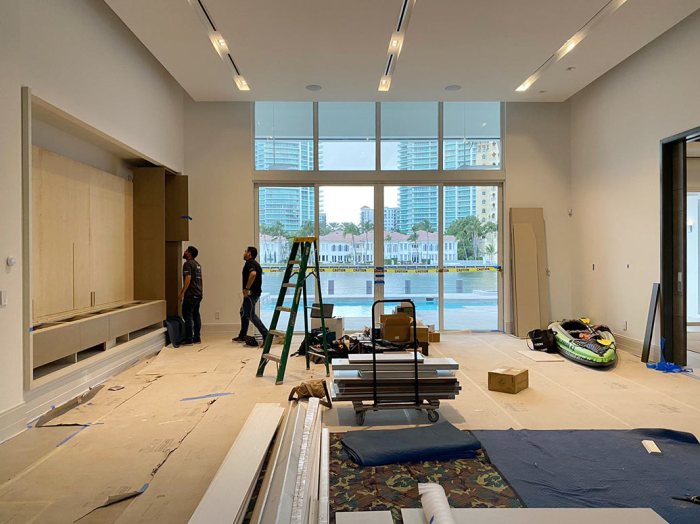
When it comes to interior renovation, staying up-to-date with the latest design trends is essential to create a modern and stylish living space. Let's explore some popular design trends in interior renovation and how they are shaping the way we approach home design.
1. Incorporating Sustainable and Eco-Friendly Elements
One of the major trends in interior renovation is the emphasis on sustainability and eco-friendliness. Homeowners are increasingly looking for ways to reduce their carbon footprint and create a healthier living environment. This trend has led to the use of eco-friendly materials such as reclaimed wood, bamboo flooring, energy-efficient appliances, and low VOC paints.
Incorporating sustainable elements not only helps the environment but also adds a unique and natural touch to the overall design.
2. Embracing Technology in Modern Interior Renovation
Technology plays a significant role in modern interior renovation projects. From smart home automation systems to energy-efficient lighting solutions, technology is revolutionizing the way we design and interact with our living spaces. Homeowners are now integrating smart devices, such as thermostats, lighting controls, and security systems, to create a more convenient and connected home.
Additionally, virtual reality and 3D modeling tools are being used to visualize design concepts and make informed decisions before starting the renovation process.
Materials and Finishes for Interior Renovation
When it comes to interior renovation, selecting the right materials and finishes is crucial for achieving the desired look and durability of the space. From hardwood to laminate to tile, each material has its own unique characteristics and benefits that can enhance the overall aesthetics of a room.
Types of Materials
- Hardwood: Hardwood flooring is a popular choice for its timeless appeal and durability. It adds warmth and character to any room, but it can be more expensive than other options.
- Laminate: Laminate flooring is a cost-effective alternative to hardwood that mimics the look of real wood. It is easy to install and maintain, making it a practical choice for high-traffic areas.
- Tile: Tile flooring is versatile and comes in a wide range of styles, colors, and patterns. It is durable and water-resistant, making it ideal for kitchens and bathrooms.
Choosing the Right Finishes
- Walls: When selecting finishes for walls, consider factors like paint color, texture, and sheen. Matte finishes can hide imperfections, while glossy finishes reflect light and add a touch of elegance.
- Floors: The right finish for floors depends on the material used. For hardwood, finishes like oil-based polyurethane provide protection and enhance the natural beauty of the wood. Laminate floors benefit from finishes that are stain-resistant and easy to clean.
- Ceilings: Finishes for ceilings can impact the overall feel of a room. Consider options like paint, wood paneling, or decorative tiles to add visual interest and create a cohesive look with the rest of the space.
Quality materials are essential for a successful renovation project, as they not only improve the aesthetics of a space but also contribute to its longevity and functionality.
Hiring Professionals for Interior Renovation
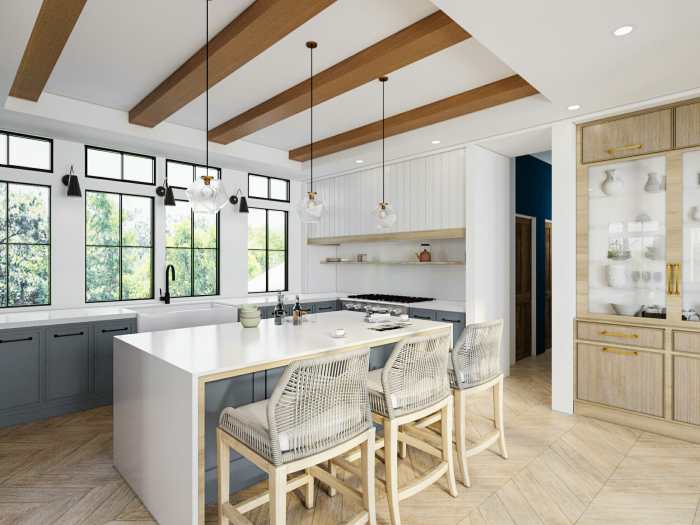
When tackling an interior renovation project, hiring professionals can make a significant difference in the outcome. Whether it's an interior designer or a contractor, their expertise can help bring your vision to life efficiently and effectively.
Benefits of Hiring an Interior Designer
- Access to design expertise and creativity
- Professional guidance on space planning and layout
- Connections to reliable contractors and suppliers
- Personalized design solutions tailored to your needs and style
- Attention to detail and quality craftsmanship
Guide on Choosing the Right Contractor
- Research and ask for recommendations
- Check credentials, licenses, and insurance
- Review past projects and client testimonials
- Get multiple quotes and compare pricing
- Ensure clear communication and a good rapport
Importance of Clear Communication
Clear communication with professionals during the renovation process is crucial for ensuring that your vision is accurately implemented. Discussing timelines, budget constraints, design preferences, and any concerns openly can help prevent misunderstandings and delays. Regular updates and feedback exchanges can also help keep the project on track and ensure a successful outcome.
DIY vs. Professional Interior Renovation
When it comes to interior renovation, one of the key decisions homeowners face is whether to take on the project themselves or hire professionals. Both DIY and professional renovation have their advantages and disadvantages, depending on the scope of the project and the expertise of the individual.
Let's delve into the comparison between the two options.
Advantages and Disadvantages of DIY Interior Renovation
DIY interior renovation can be a cost-effective option for those with some skills and experience in home improvement. It allows homeowners to have full control over the project timeline and design choices. Additionally, the sense of accomplishment from completing a renovation project on your own can be incredibly rewarding.
However, one of the main disadvantages of DIY renovation is the potential for costly mistakes. Without proper expertise, there is a risk of errors in measurements, installations, and overall design, which could end up costing more to fix in the long run.
Moreover, DIY projects can be time-consuming and may not always result in the professional finish that a hired contractor could provide.
Projects Suitable for DIY vs. Professional Help
Simple projects such as painting walls, installing shelves, or updating cabinet hardware are typically suitable for DIY renovation. These tasks require minimal expertise and can easily be accomplished by homeowners with basic tools.
On the other hand, projects like electrical work, plumbing, or structural changes should be left to professionals. These tasks require specialized knowledge and skills to ensure safety and compliance with building codes.
Risks of DIY Interior Renovation without Proper Expertise
One of the biggest risks of DIY interior renovation without proper expertise is the potential for safety hazards. Incorrect installations of electrical wiring, plumbing fixtures, or structural modifications can pose serious risks to occupants and the property itself.
Furthermore, inadequate knowledge of building codes and regulations could result in costly fines or delays in the project timeline. It's essential to understand the limitations of your skills and seek professional help when needed to avoid these risks.
Closing Summary
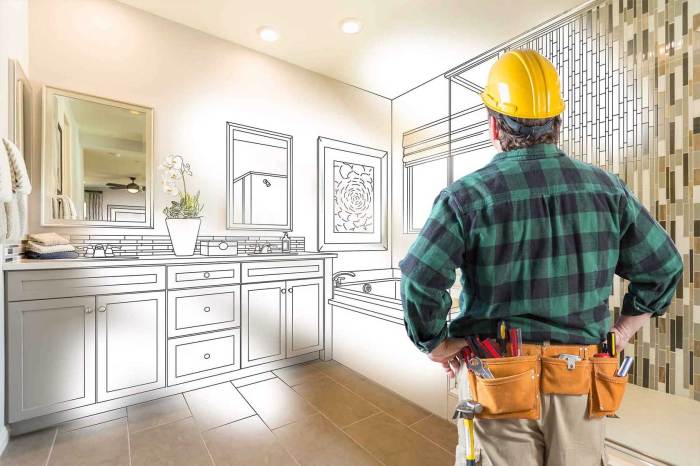
In conclusion, interior renovation goes beyond mere aesthetics - it's a reflection of personal style, functionality, and comfort. By embracing the trends, materials, and professionals in the field, one can truly unlock the potential of their living space through the art of renovation.
FAQ Guide
How can interior renovation impact property value?
Interior renovation can significantly increase property value by improving the overall aesthetics and functionality of a space, making it more appealing to potential buyers or renters.
What are some popular design trends in interior renovation?
Some popular design trends include minimalist designs, biophilic elements, and smart home integration that enhance both aesthetics and functionality.
Why is clear communication important when hiring professionals for interior renovation?
Clear communication ensures that the vision for the renovation project is understood by all parties involved, leading to a smoother and more successful outcome.