
Step into the world of biophilic design, where nature meets architecture in a harmonious blend of beauty and functionality. From enhancing mental well-being to boosting creativity, biophilic design offers a unique approach to sustainable living. Let's delve into the fascinating realm of biophilic design and uncover its many benefits.
What is Biophilic Design?
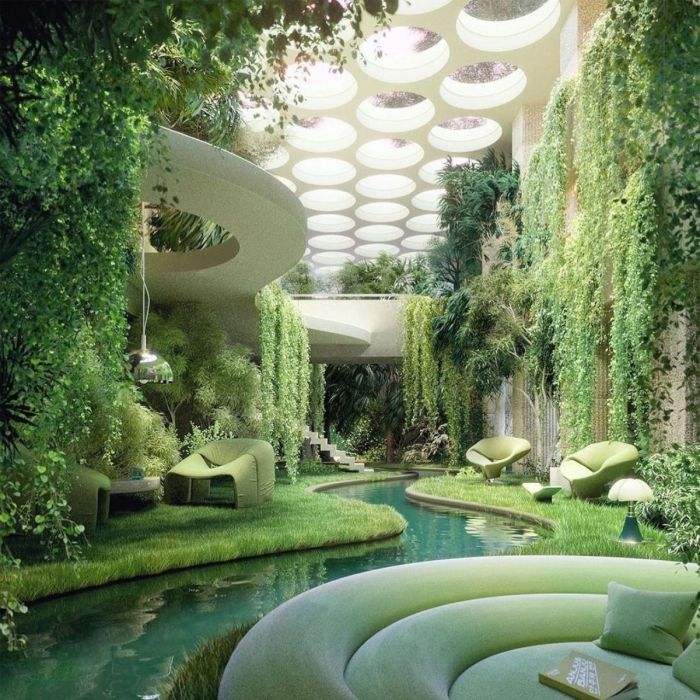
Biophilic design is an innovative approach to architecture and interior design that seeks to connect people with nature by incorporating natural elements, materials, and views into the built environment. This design philosophy is based on the idea that humans have an innate connection to nature and that incorporating natural elements into our surroundings can improve our well-being and productivity.
Principles of Biophilic Design
- Use of natural materials such as wood, stone, and plants to create a sense of connection to the outdoors.
- Maximizing natural light and views to bring the outside world inside.
- Incorporating elements of nature, such as water features or living green walls, into interior spaces.
- Creating spaces that mimic natural patterns and shapes to create a sense of calm and tranquility.
Examples of Biophilic Design Elements
- Green roofs that support vegetation and provide insulation, reducing energy consumption.
- Indoor gardens or atriums that bring nature into the heart of a building.
- Natural ventilation systems that promote airflow and reduce the need for artificial cooling.
- Biophilic artwork or murals depicting natural scenes to create a connection to the outdoors.
- Use of natural textures and colors inspired by the environment to create a harmonious space.
Benefits of Biophilic Design
Biophilic design offers a wide range of benefits that positively impact mental health, productivity, creativity, and the environment.
Positive Impacts on Mental Health
- Biophilic design has been shown to reduce stress, anxiety, and depression levels among individuals.
- Exposure to natural elements such as sunlight, plants, and water features can promote feelings of calmness and well-being.
- Increased connection to nature within indoor spaces can enhance mood and overall mental health.
Increased Productivity and Creativity
- Studies have demonstrated that incorporating biophilic elements in work environments can lead to higher levels of productivity.
- Exposure to natural light and greenery has been linked to improved focus, creativity, and innovation among employees.
- Spaces designed with biophilic principles can inspire fresh thinking and problem-solving abilities.
Environmental Benefits
- Biophilic design promotes sustainability by reducing energy consumption and reliance on artificial lighting and heating.
- Incorporating natural ventilation systems and green roofs can improve air quality and reduce the carbon footprint of buildings.
- By using natural materials and elements, biophilic design contributes to the conservation of resources and the preservation of ecosystems.
Biophilic Design Elements
Biophilic design incorporates various elements inspired by nature to create spaces that enhance well-being and connection to the natural environment.
Natural Light Integration
Natural light is a key element in biophilic design as it has a significant impact on human health and productivity. Integrating natural light into spaces can be achieved through strategies such as large windows, skylights, light wells, and light shelves.
This not only reduces the need for artificial lighting but also creates a connection to the outdoors, improving mood and overall well-being.
Use of Natural Materials
The use of natural materials like wood and stone is another essential element of biophilic design. These materials bring warmth, texture, and a sense of grounding to spaces, mimicking the natural environment. Wood can be incorporated through flooring, furniture, and wall finishes, while stone can be used for countertops, accent walls, and flooring.
These materials not only add visual interest but also contribute to a biophilic design's overall goal of creating a harmonious and restorative environment.
Biophilic Design in Different Settings
Biophilic design can be seamlessly integrated into various settings to enhance the well-being and productivity of individuals. Let's explore how this design approach is applied in residential spaces, offices, work environments, and healthcare facilities.
Residential Spaces
In residential settings, biophilic design focuses on bringing elements of nature indoors to create a harmonious and soothing environment. This can include incorporating natural light, indoor plants, natural materials like wood and stone, and views of greenery or water bodies.
By connecting residents with nature, biophilic design in homes can reduce stress, improve air quality, and promote overall health and well-being.
Offices and Work Environments
Biophilic design in offices and work environments is aimed at enhancing employee productivity, creativity, and overall satisfaction. This can be achieved through the incorporation of green walls, rooftop gardens, natural textures, and access to outdoor spaces. By introducing elements of nature into the workplace, biophilic design can help reduce absenteeism, improve focus, and foster a sense of well-being among employees.
Healthcare Facilities and Hospitals
In healthcare settings, biophilic design plays a crucial role in promoting healing and comfort for patients, visitors, and healthcare providers. This design approach may include features such as healing gardens, natural light, views of nature, and artwork inspired by natural elements.
Research has shown that exposure to nature in healthcare environments can lead to faster recovery times, reduced stress levels, and improved overall patient outcomes.
Biophilic Design and Sustainability
Biophilic design and sustainability go hand in hand, as both concepts focus on creating environments that are not only beneficial for people but also for the planet. By incorporating natural elements into architectural designs, biophilic design aims to reconnect people with nature while promoting sustainable practices.
Relationship between Biophilic Design and Sustainable Architecture
- Biophilic design emphasizes the use of natural materials, energy-efficient strategies, and green building practices to minimize environmental impact.
- By integrating elements such as natural light, indoor plants, and green walls, biophilic design reduces the need for artificial lighting and ventilation, thus lowering energy consumption.
- Sustainable architecture focuses on reducing carbon emissions, conserving resources, and creating healthy indoor environments, aligning perfectly with the principles of biophilic design.
Contribution to Energy Efficiency
- Biophilic design enhances energy efficiency by maximizing natural light, reducing the heat island effect, and promoting natural ventilation, leading to lower energy usage for heating, cooling, and lighting.
- Green roofs, rain gardens, and permeable surfaces in biophilic design projects help manage stormwater runoff, reduce urban heat, and improve air quality, contributing to overall energy savings.
- By incorporating passive solar design principles and utilizing renewable energy sources, biophilic buildings can achieve high levels of energy efficiency and reduce their carbon footprint.
Examples of Biophilic Design Projects Prioritizing Sustainability
- The Edge in Amsterdam, known as the greenest office building in the world, features a biophilic design with extensive greenery, rainwater harvesting systems, solar panels, and a smart building management system to optimize energy efficiency.
- Bosco Verticale in Milan consists of two residential towers covered in more than 900 trees, providing natural shading, oxygen production, and habitat for wildlife, while also reducing heating and cooling loads for the building.
- The Bullitt Center in Seattle is a living building that incorporates biophilic design elements such as natural daylighting, operable windows, and a green roof, achieving net-zero energy and water consumption through sustainable practices.
Outcome Summary
As we conclude our journey through the realms of biophilic design, it's clear that nature has a profound impact on our built environment. By integrating elements of nature into our spaces, we not only enhance our well-being but also contribute to a more sustainable future.
Embrace the beauty of biophilic design and let nature inspire your surroundings.
FAQ Insights
What is Biophilic Design?
Biophilic design is an innovative approach that seeks to integrate nature into our built environment, promoting well-being and sustainability.
How does Biophilic Design impact mental health?
Biophilic design has been shown to reduce stress, improve mood, and enhance cognitive function, leading to better mental health outcomes.
What are some common elements of Biophilic Design?
Common elements include natural light, vegetation, water features, natural materials like wood and stone, and views of nature.