
Contemporary interior design sets the stage for this enthralling narrative, offering readers a glimpse into a story that is rich in detail and brimming with originality from the outset. Throughout this exploration, we delve into the essence of contemporary interior design, uncovering its defining characteristics and the elements that shape its unique appeal.
Introduction to Contemporary Interior Design
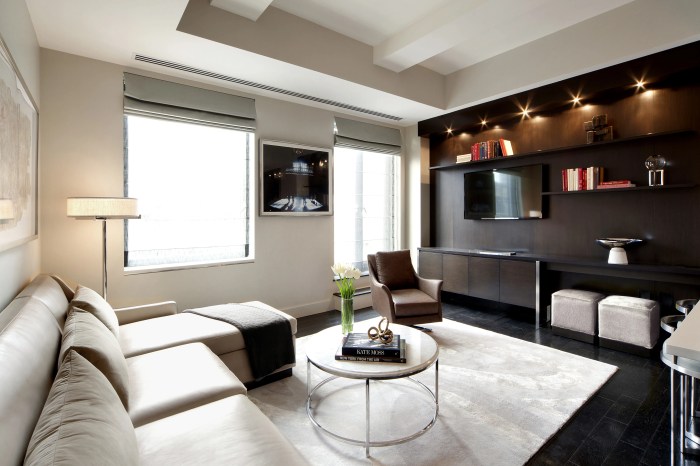
Contemporary interior design refers to a style that is current, modern, and in line with the present moment. It is characterized by clean lines, minimalism, and a focus on space and light.
Characteristics of Contemporary Interior Design
- Minimalism: Contemporary design often features clean, uncluttered spaces with a focus on simplicity.
- Neutral Color Palette: The color scheme in contemporary interiors typically revolves around neutral colors like white, beige, and gray.
- Use of Natural Light: Maximizing natural light and incorporating large windows is a common feature in contemporary design.
- Mix of Materials: Contemporary interiors often blend different materials like glass, metal, and wood to create a dynamic and visually appealing space.
Key Elements of Contemporary Interior Design
- Open Floor Plans: Contemporary design embraces open floor plans that create a sense of spaciousness and flow.
- Clean Lines: Straight, crisp lines are a hallmark of contemporary design, adding a sense of sophistication and clarity to the space.
- Functional Furniture: Furniture in contemporary interiors is not only stylish but also highly functional, with a focus on practicality and comfort.
- Unique Accents: Contemporary design often incorporates bold accents or statement pieces to add personality and interest to the space.
Color Schemes in Contemporary Interior Design
Color schemes play a crucial role in contemporary interior design, influencing the overall mood and ambiance of a space. By carefully selecting and combining colors, designers can create a cohesive and visually appealing environment.
Popular Color Schemes
Popular color schemes in contemporary interior design include:
- Monochromatic: Using varying shades of a single color for a clean and sophisticated look.
- Analogous: Combining colors that are next to each other on the color wheel for a harmonious feel.
- Complementary: Pairing colors that are opposite each other on the color wheel for a bold and dynamic contrast.
Influence of Color on Mood
Color has a significant impact on the mood of a space in contemporary interior design. For example:
-
Creates a sense of calm and relaxation, often used in bedrooms or living rooms.Blue:
-
Energizes a space and can stimulate conversation, perfect for dining areas or social spaces.Red:
-
Adds warmth and positivity, ideal for kitchens or home offices.Yellow:
Contrasting Colors in Contemporary Design
Contrasting colors are frequently used in contemporary interior design to create visual interest and depth:
- Pairing black and white for a timeless and sophisticated look.
- Combining bold hues like teal and coral for a vibrant and modern feel.
- Using metallic accents against neutral tones for a touch of luxury and elegance.
Furniture and Decor in Contemporary Interior Design
Contemporary interior design focuses on sleek and clean lines, creating a minimalist yet stylish look. Furniture and decor play a crucial role in achieving this aesthetic, with specific elements and pieces that are commonly found in contemporary spaces.
Types of Furniture in Contemporary Interior Design
In contemporary interior design, furniture tends to be simple, functional, and often modular. Common types of furniture include low-profile sofas, geometric coffee tables, and streamlined dining chairs. These pieces are usually made from materials like metal, glass, and polished wood to maintain a clean and sophisticated look.
Role of Minimalist Furniture
Minimalist furniture is a key component of contemporary interior design as it helps create a sense of openness and simplicity in a space. Pieces like platform beds, sleek cabinets, and minimalistic shelving units contribute to the overall clean and uncluttered aesthetic that is characteristic of contemporary design.
By focusing on essential pieces and avoiding excessive ornamentation, minimalist furniture allows other elements of the space to shine.
Use of Abstract Art and Unique Decor Pieces
In contemporary interior design, abstract art and unique decor pieces are often used to add personality and depth to a space. Abstract art can serve as a focal point and bring a pop of color or texture to an otherwise neutral room.
Decor pieces like sculptural vases, statement lighting fixtures, and bold accent pillows can also be used to inject character and visual interest into a contemporary interior. These elements help create a dynamic and engaging environment that reflects the homeowner's individual style and taste.
Materials and Textures in Contemporary Interior Design
In contemporary interior design, the choice of materials and textures plays a crucial role in creating a cohesive and visually appealing space. By carefully selecting and combining different materials, designers can achieve a modern and sophisticated look that reflects current trends and lifestyles.
Common Materials Used in Contemporary Interior Design
Contemporary interior design often features a mix of materials that include:
- Glass: Glass is a popular material in contemporary design for its sleek and transparent qualities. It can be used for windows, doors, partitions, and furniture to create a sense of openness and lightness.
- Metal: Metal accents and fixtures are commonly used in contemporary interiors to add a touch of industrial chic. Materials like stainless steel, brass, and aluminum are often incorporated for a modern and polished look.
- Concrete: Concrete is a versatile material that is frequently used in contemporary design for flooring, walls, and countertops. Its raw and minimalist aesthetic adds a sense of urban sophistication to the space.
Textures in Contemporary Interior Design
Textures play a significant role in adding depth and interest to contemporary spaces. By incorporating a variety of textures, designers can create visual contrast and tactile appeal in the room:
- Smooth: Smooth textures like glass and polished metal contribute to a sleek and modern look.
- Rough: Rough textures such as exposed brick walls or unfinished wood surfaces add a touch of warmth and character to the space.
- Mixed: Mixing different textures like plush velvet upholstery with smooth marble surfaces can create a dynamic and visually engaging interior.
Importance of Natural Materials in Contemporary Interior Design
Natural materials are often favored in contemporary interior design for their timeless appeal and sustainable qualities. Incorporating elements like wood, stone, and leather can bring a sense of warmth and connection to nature into the modern space:
- Wood: Wood is a versatile material that adds warmth and texture to contemporary interiors. It can be used for flooring, furniture, and accents to create a cozy and inviting atmosphere.
- Stone: Stone surfaces like marble, granite, or travertine are prized for their durability and elegance. They can be used for countertops, backsplashes, and flooring to add a touch of luxury to the space.
- Leather: Leather upholstery or accessories can infuse a sense of sophistication and luxury into contemporary interiors. Its rich texture and timeless appeal make it a popular choice for furniture pieces.
Lighting Design in Contemporary Interior Design
Lighting plays a crucial role in enhancing contemporary interiors by creating ambiance, highlighting key features, and providing functionality. The strategic use of different lighting types can transform a space and elevate its overall design aesthetic.
Ambient Lighting
Ambient lighting, also known as general lighting, provides overall illumination to a room. In contemporary interior design, ambient lighting is often achieved through recessed lights, track lighting, or pendant lights. These fixtures help create a warm and inviting atmosphere while ensuring that the space is well-lit for everyday activities.
Task Lighting
Task lighting is essential in contemporary spaces to provide focused illumination for specific activities such as reading, cooking, or working. Innovative task lighting fixtures like adjustable desk lamps, under-cabinet lighting, and floor lamps with adjustable arms are commonly used to enhance functionality and productivity in modern interiors.
Accent Lighting
Accent lighting is used to highlight architectural features, artwork, or focal points within a room. In contemporary interior design, accent lighting fixtures such as wall sconces, picture lights, and LED strip lights are utilized to create visual interest and add depth to the overall design scheme.
These fixtures can be strategically placed to draw attention to key elements and create a dynamic ambiance.Examples of innovative lighting fixtures used in contemporary interior design include smart lighting systems that can be controlled remotely through mobile devices, pendant lights with unique geometric shapes, and LED light panels that can change color temperature to suit different moods and activities.
By incorporating these cutting-edge lighting solutions, designers can create customized lighting schemes that enhance the functionality and aesthetics of contemporary interiors.
Summary
As we wrap up our discussion on contemporary interior design, we reflect on the fusion of innovation and style that defines this modern approach to home styling. From the seamless integration of color schemes to the strategic use of furniture and decor, contemporary interior design offers a dynamic canvas for creativity and self-expression.
Dive into this captivating realm of design and elevate your living spaces with a touch of contemporary flair.
FAQ Compilation
What sets contemporary interior design apart from other styles?
Contemporary interior design emphasizes clean lines, minimalism, and a focus on sleek, modern aesthetics that create a sense of simplicity and sophistication.
How can I incorporate natural materials into a contemporary interior design scheme?
You can introduce natural elements like wood, stone, or bamboo in furniture, flooring, or decor pieces to add warmth and texture to contemporary spaces.
What role does lighting play in contemporary interior design?
Lighting is crucial in enhancing the ambiance of contemporary interiors by creating focal points, highlighting architectural features, and setting the mood for different areas within a space.