

Delve into the fascinating journey of chair design, spanning from ancient civilizations to the cutting-edge trends of today. This captivating exploration promises to unveil the secrets behind the evolution of this essential piece of furniture.
From the intricate details of historical designs to the modern ergonomic innovations, this topic offers a comprehensive look at the world of chair design.
Historical Evolution of Chair Design
Chairs have evolved significantly over the centuries, reflecting changes in technology, materials, and cultural influences. From simple stools to intricate thrones, the design of chairs has followed a fascinating journey through history.
Ancient Times to the Middle Ages
In ancient civilizations like Egypt and Greece, chairs were reserved for the elite and symbolized status and power. These early chairs were often made of wood and featured ornate carvings and decorations. The Romans introduced the curule chair, a folding seat used by high-ranking officials.
Renaissance to Baroque Period
During the Renaissance, chair design became more elaborate, with intricate details and luxurious materials like velvet and silk. The Baroque period saw the rise of the wingback chair and the ladderback chair, both characterized by their distinctive shapes and decorative elements.
Industrial Revolution to Modern Era
The Industrial Revolution brought mass production techniques to chair manufacturing, making furniture more accessible to the general population. Designers like Charles and Ray Eames revolutionized chair design in the mid-20th century with their innovative use of materials like molded plywood and fiberglass.
Ergonomics in Chair Design
Ergonomics plays a crucial role in chair design, aiming to create comfortable and healthy seating solutions for individuals. By incorporating ergonomic principles, designers can enhance user experience, prevent musculoskeletal disorders, and improve overall well-being.
Importance of Ergonomics in Chair Design
When it comes to designing chairs, considering ergonomics is essential to ensure users' comfort and health. Chairs that are ergonomically designed provide proper support to the body, promoting good posture and reducing the risk of back pain, neck strain, and other physical discomforts.
Influence of Ergonomic Principles on Chair Design
- Adjustable Features: Ergonomically designed chairs often come with adjustable features such as seat height, armrests, and lumbar support to accommodate different body types and preferences.
- Contoured Shapes: Chairs with contoured seats and backrests conform to the natural curves of the body, providing optimal comfort and reducing pressure points.
- Breathable Materials: Using breathable materials like mesh allows for better air circulation, preventing heat buildup and promoting comfort during prolonged sitting.
- Swivel and Tilt Mechanisms: Chairs with swivel and tilt functions enable users to move freely, promoting dynamic sitting and reducing the strain on muscles.
Materials and Construction Techniques
When it comes to chair design, the choice of materials and construction techniques plays a crucial role in determining both the aesthetics and functionality of the final product. Different materials can impact the overall look, feel, and durability of a chair, while construction techniques influence its strength, comfort, and ergonomics.
Materials Used in Chair Design
Chairs can be crafted from a wide variety of materials, each with its own unique characteristics and benefits. Some common materials used in chair design include:
- Wood: Traditional and versatile, wood offers warmth and natural beauty to chairs. It can be carved, bent, or molded into intricate shapes for a classic look.
- Metal: Modern and sleek, metal chairs are durable and often used in contemporary designs. They can be lightweight yet sturdy, suitable for both indoor and outdoor use.
- Plastic: Affordable and lightweight, plastic chairs are easy to clean and maintain. They come in a wide range of colors and styles, making them popular choices for casual or outdoor settings.
- Upholstery: Fabric or leather upholstery can add comfort and style to chairs. It provides cushioning for long periods of sitting and can be customized to match any decor.
Construction Techniques
The way a chair is constructed can significantly impact its durability, comfort, and overall quality. Traditional woodworking techniques, such as joinery and hand-carving, require skilled craftsmanship and attention to detail. On the other hand, modern manufacturing methods like CNC machining and 3D printing allow for precise production and mass customization.
- Traditional Woodworking: Handcrafted chairs often showcase intricate details and craftsmanship. Joinery techniques like mortise and tenon joints ensure strong connections between wooden parts, while hand-carving adds decorative elements.
- Modern Manufacturing: CNC machining enables precise cutting and shaping of chair components, resulting in consistent quality and fit. 3D printing offers the possibility of creating complex and innovative chair designs that were once impossible to achieve.
Sustainable Materials and Construction Practices
With a growing emphasis on sustainability and environmental consciousness, many designers are turning to eco-friendly materials and construction practices in chair design. Reclaimed wood, recycled plastics, and organic fabrics are being used to create chairs that minimize environmental impact and promote a greener future.
Iconic Chair Designs
Iconic chair designs have left a lasting impact on the world of furniture design, shaping trends and inspiring generations of designers. These chairs are not just functional pieces but also works of art that reflect the historical context and design philosophy of their time.
The Eames Lounge Chair
The Eames Lounge Chair, designed by Charles and Ray Eames in 1956, is a quintessential example of mid-century modern design. With its molded plywood shell, plush leather upholstery, and sleek aluminum base, this chair embodies the perfect balance of form and function.
Its innovative design and luxurious comfort have made it a timeless classic, influencing countless furniture designers since its creation.
The Barcelona Chair
Designed by Ludwig Mies van der Rohe and Lilly Reich for the German Pavilion at the 1929 International Exposition in Barcelona, the Barcelona Chair is a true icon of modernist design. Featuring a stainless steel frame and leather upholstery, this chair is a symbol of sophistication and elegance.
Its clean lines and minimalist aesthetic have made it a staple in contemporary design, inspiring designers across the globe.
The Wassily Chair
Created by Marcel Breuer in 1925, the Wassily Chair is a groundbreaking piece that revolutionized furniture design. Made from tubular steel and leather, this chair was the first of its kind to use these materials in such a innovative way.
Its unique construction and sleek silhouette have made it a design classic that continues to influence modern furniture design.
The Egg Chair
Designed by Arne Jacobsen in 1958 for the lobby of the Radisson Blu Royal Hotel in Copenhagen, the Egg Chair is a true icon of Danish design. Its organic shape and cocoon-like form create a sense of privacy and comfort, making it a popular choice for modern interiors.
The Egg Chair's innovative design and timeless appeal have cemented its status as a design masterpiece.
Final Conclusion
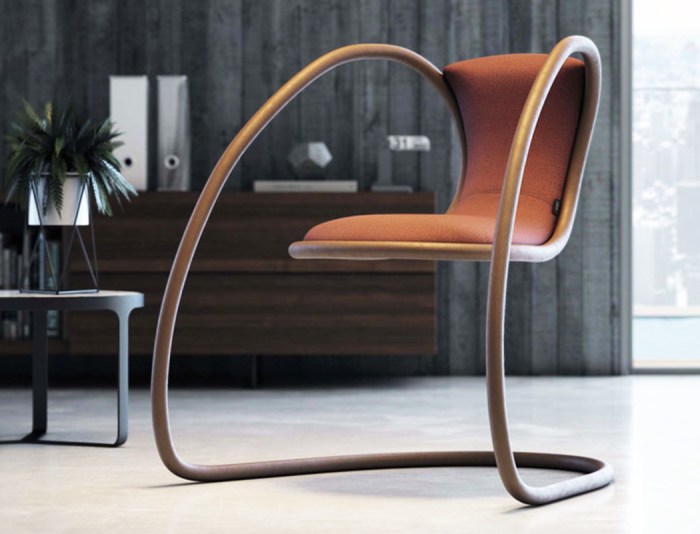
In conclusion, the world of chair design is a rich tapestry of history, culture, and innovation. By understanding its evolution, importance of ergonomics, materials, and iconic designs, we gain a deeper appreciation for this everyday object that holds a significant place in our lives.
Q&A
What are some key design elements that have changed in chair design over time?
Design elements such as materials, shapes, and ergonomic features have evolved significantly over the years, reflecting changing trends and technological advancements.
How do cultural influences impact chair design throughout history?
Cultural influences play a crucial role in shaping chair design, leading to diverse styles, materials, and aesthetics that are uniquely tied to different regions and time periods.
What are some common ergonomic features found in well-designed chairs?
Ergonomic chairs often include features like lumbar support, adjustable height, and proper cushioning to ensure comfort and reduce strain on the body.