
Delve into the world of house siding options and costs as we uncover the essential aspects that every homeowner should know. From materials to maintenance, this guide promises to offer valuable insights for your next home improvement project.
Discover the key factors that influence the selection of siding materials and how costs play a crucial role in decision-making.
Types of House Siding Options
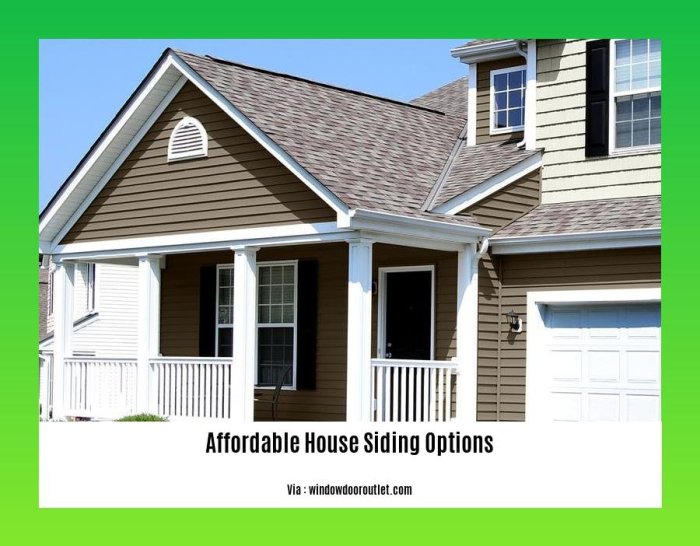
When it comes to house siding options, there are several materials to choose from, each with its own unique characteristics and benefits.
Vinyl Siding vs. Fiber Cement Siding
Vinyl siding is known for its low maintenance and affordability, making it a popular choice among homeowners. On the other hand, fiber cement siding is extremely durable and resistant to fire, insects, and rot. While vinyl siding may fade over time, fiber cement siding can last for decades with minimal maintenance.
Wood Siding vs. Stucco
Wood siding provides a natural and rustic look to a home, but it requires regular maintenance to prevent rot and decay. Stucco, on the other hand, is a durable and low-maintenance option that offers a unique texture and finish. Homeowners looking for a traditional look may prefer wood siding, while those seeking a modern aesthetic may opt for stucco.
Aluminum Siding vs. Brick Siding
Aluminum siding is lightweight, easy to install, and resistant to corrosion. However, it can dent easily and may require repainting over time. Brick siding, on the other hand, is extremely durable and energy-efficient but comes with a higher upfront cost.
While aluminum siding is relatively low maintenance, brick siding may require occasional tuckpointing to keep it looking its best.
Costs Associated with House Siding
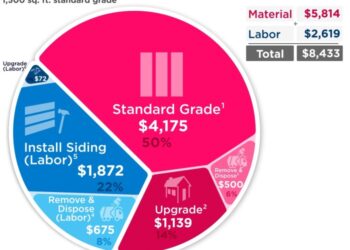
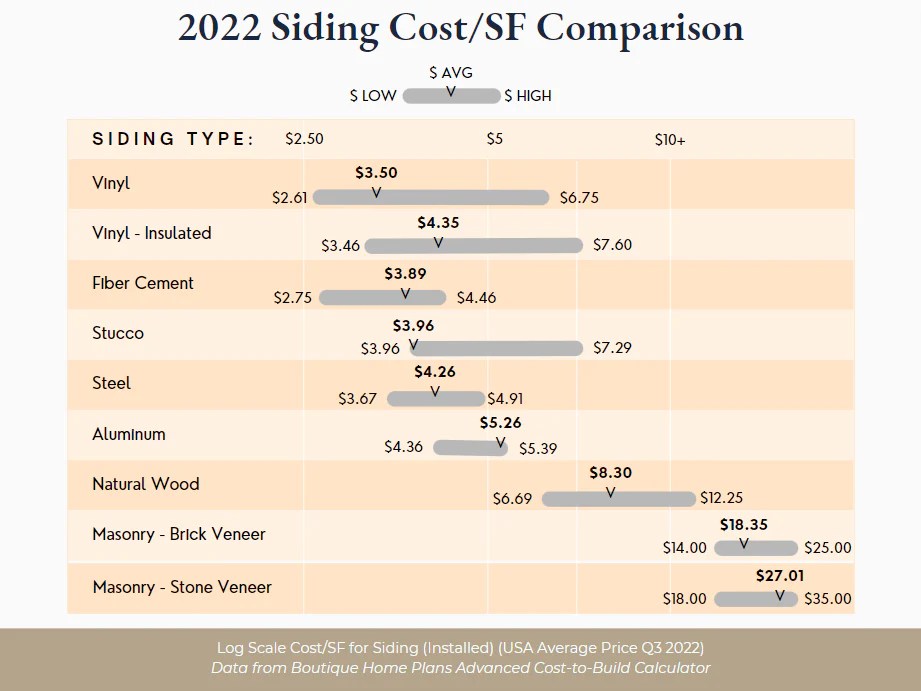
When considering house siding options, it's crucial to factor in the associated costs to determine the overall budget for your project. The costs can vary depending on the material chosen, installation requirements, labor costs, permits, and long-term maintenance expenses.
Average Cost per Square Foot
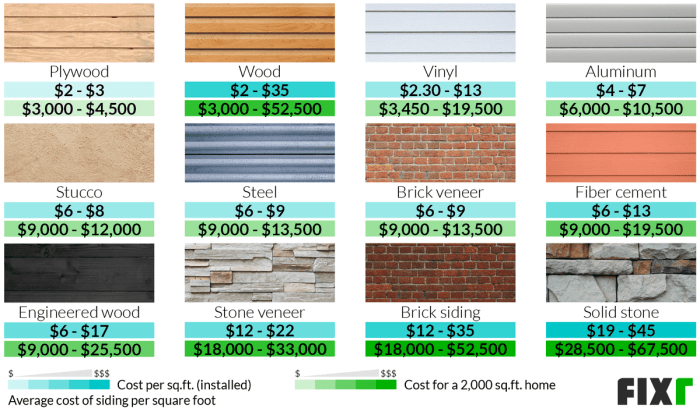
- Vinyl: On average, vinyl siding costs around $4 to $7 per square foot, making it one of the most affordable options.
- Fiber Cement: Fiber cement siding typically ranges from $5 to $12 per square foot, offering a durable and low-maintenance alternative.
- Wood: Wood siding can cost between $8 to $12 per square foot, but prices can vary based on the type of wood used.
- Brick: Brick siding tends to be more expensive, with costs averaging around $8 to $15 per square foot.
Additional Costs
- Installation: Hiring professionals for installation can add significant costs, ranging from $1,000 to $3,000 or more depending on the size of your home.
- Labor: Labor costs can vary based on the complexity of the project, with hourly rates typically ranging from $40 to $70 per hour.
- Permits: Obtaining permits for siding installation may incur additional fees, depending on local regulations and requirements.
Long-Term Cost-Effectiveness
- Premium siding options like fiber cement and brick may have higher upfront costs but offer long-term durability and lower maintenance expenses, making them cost-effective choices over time.
- Wood siding, while initially affordable, may require more maintenance and upkeep, leading to higher long-term costs.
Geographical Impact on Costs
- Geographical location can impact the overall cost of house siding, as labor rates, material availability, and climate considerations can vary from region to region.
- Areas with harsh weather conditions may require more durable and weather-resistant siding materials, which can affect the overall cost of the project.
Energy Efficiency and Insulation
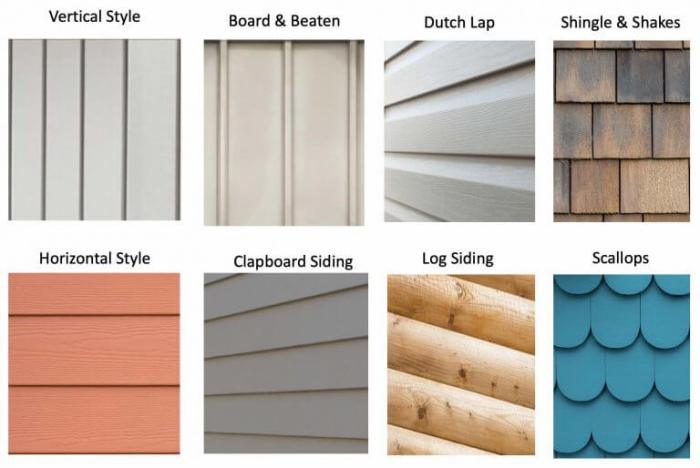
When it comes to house siding, energy efficiency and insulation are crucial factors to consider. The right siding material can help reduce heating and cooling costs while keeping your home comfortable all year round.
Siding Materials and Energy Efficiency
- Vinyl Siding: Vinyl siding offers decent insulation properties, especially when paired with foam backing. It helps prevent heat loss in the winter and heat gain in the summer, ultimately reducing energy consumption.
- Fiber Cement Siding: Fiber cement siding is known for its durability and thermal resistance. It helps regulate indoor temperatures by providing a barrier against extreme weather conditions.
- Wood Siding: Wood siding, like cedar or redwood, can act as a natural insulator. It provides a buffer against temperature changes and can help maintain a comfortable indoor environment.
Foam-Backed Vinyl Siding for Enhanced Insulation
Foam-backed vinyl siding is a popular choice for homeowners looking to improve energy efficiency. The foam backing adds an extra layer of insulation, reducing thermal bridging and improving the overall R-value of the siding.
Environmentally Friendly Siding Options for Insulation Benefits
- Recycled Composite Siding: Made from recycled materials, composite siding offers good insulation properties while reducing environmental impact.
- Insulated Vinyl Siding: Insulated vinyl siding features foam insulation laminated to the panels, enhancing energy efficiency and reducing heat transfer.
- Cork Siding: Cork siding is a sustainable option that provides natural insulation, helping to regulate indoor temperatures and reduce energy consumption.
Maintenance and Upkeep
Proper maintenance of house siding is essential to ensure its longevity and keep your home looking great. Each type of siding material comes with its own set of maintenance requirements, so it's important to understand how to clean and care for different options to preserve their appearance and functionality.
Vinyl Siding Maintenance
Vinyl siding is relatively low maintenance compared to other materials. It can be cleaned with a mixture of water and mild detergent using a soft brush or cloth. Avoid using harsh chemicals or abrasive tools that can damage the surface.
Inspect for any cracks or loose panels that may need to be repaired to prevent water infiltration.
Wood Siding Maintenance
Wood siding requires more maintenance as it is susceptible to rot, pests, and weather damage. Regularly inspect for signs of rot or insect infestation, and treat or replace damaged sections promptly. Clean wood siding with a mixture of water and mild soap, and consider applying a protective sealant to enhance durability.
Fiber Cement Siding Maintenance
Fiber cement siding is durable and resistant to rot, pests, and weather damage, but it still requires routine cleaning and maintenance. Clean fiber cement siding with water and a mild detergent, and inspect for any cracks or chips that may need to be repaired.
Consider repainting every 7-15 years to maintain its appearance.
Metal Siding Maintenance
Metal siding is relatively low maintenance and can be cleaned with water and a mild detergent. Inspect for any dents, scratches, or rust spots that may need to be addressed. Repaint metal siding every 5-10 years to prevent corrosion and maintain its protective coating.
When to Repair or Replace Siding
It's important to regularly inspect your siding for any signs of damage or wear and tear. If you notice cracks, holes, rot, insect infestation, or significant fading or discoloration, it may be time to repair or replace the siding to maintain the integrity of your home and prevent further damage.
Closing Notes
In conclusion, understanding the diverse range of house siding options and costs can empower you to make informed choices that enhance both the aesthetics and functionality of your home. Let this guide be your compass as you navigate the world of home siding.
FAQ
What are the most cost-effective house siding options?
Vinyl and aluminum siding are generally considered more budget-friendly compared to premium materials like fiber cement or wood.
How can geographical location impact the cost of house siding?
Regions with extreme weather conditions may require more durable siding materials, which can increase overall costs.
Are there eco-friendly siding options that provide insulation benefits?
Materials like recycled wood or fiber cement offer both environmental sustainability and insulation properties.
When should I consider repairing or replacing my house siding?
It's advisable to repair or replace siding when signs of damage, such as rot or pest infestation, become noticeable to prevent further issues.